
Safety guide for emollient users and for carers of people using emollients.

STAY INFORMED
Our team, and our collaborators around the country are dedicated to investigating the risks, and finding solutions. You'll be able to find it all right here in our very own emollient central hub.
LET IT DRY
Wait until your cream/lotion/ointment dries before putting on clothes, a bandage or getting into bed. Wet emollient will transfer from your skin onto your clothing, bedding and furniture. When that cream dries on fabric, it will make it significantly more flammable.


THE PARAFFIN MYTH
You may have heard that it is only paraffin containing emollients that are flammable. The dedication of our leading researchers proved otherwise. Today, a lot of creams use seed/vegetable oils as an alternative- but it's just as good of a fuel.
CHANGE CLOTHES AND BEDDING OFTEN
The more you let emollients build up on your clothes and bedding over time, the higher the risk will be.
This includes bandages too!


STAY AWAY FROM FLAMES/HIGH HEAT SOURCES.
Smokers are one of the highest risk groups in emollient fires. We'd also recommend putting away those candles and incense.
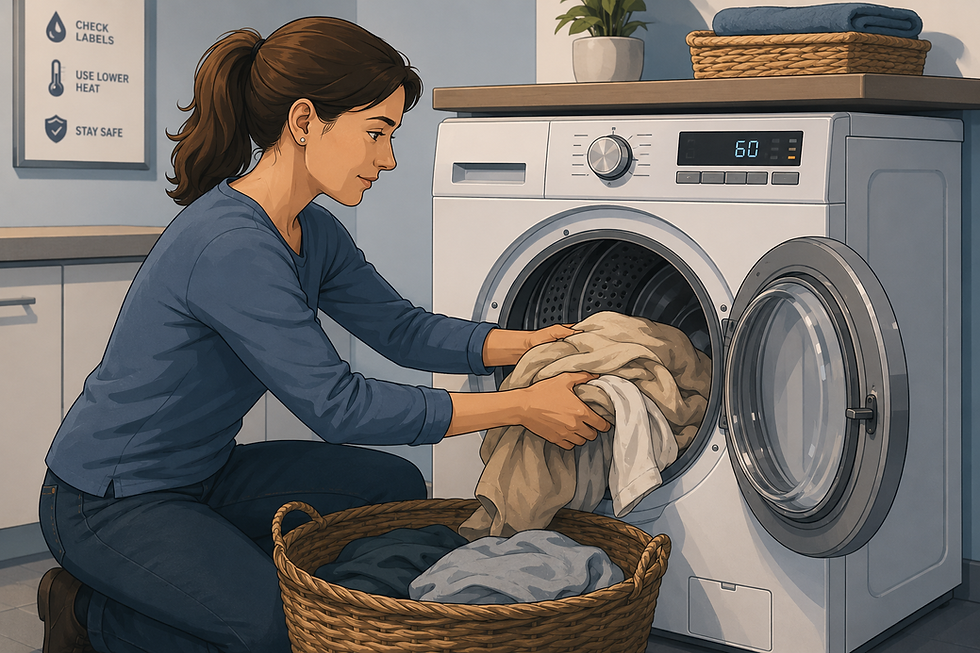
WASH ON HIGH HEAT
This will not fully remove the emollient. It is much safer to remove as much as you can by washing your clothes and bedding on a high heat.

Dont allow clothing to sit in the tumble dryer
Residues from emollients left on clothing or bedding contain oils that can heat up on their own if left in such conditions. Make sure you remove the items and give them a good shake to cool and air them before storage.